The History of Hockey: From Frozen Ponds to the Stanley Cup and NHL
Hockey’s history is larger than any single founding date. It brings together older stick-and-ball games, Indigenous craftsmanship, winter recreation, organized competition and professional leagues. HockeyDesk’s felt storybook video follows that broad journey, from snowy playing grounds to the Stanley Cup and the National Hockey League. Here is the context behind its main milestones.
Before there was a modern rulebook
People played many kinds of games with sticks and balls before modern ice hockey took shape. Adapting a game to ice changed how players moved, while skates made speed central to the experience. British sporting traditions and the activities of soldiers and settlers form part of the Canadian story, alongside Indigenous contributions. These influences developed over time; they do not support a simple claim that one person invented every part of hockey in a single afternoon.
Why the question of hockey’s birthplace is complicated
Library and Archives Canada draws a useful distinction between informal play and a structured sport. Games on ice can have very old roots without using the teams, equipment or rules associated with organized hockey. A documented match tells historians something more specific: who played, where they played and what happened. That is why an important organized game can be recognized without treating all earlier traditions as irrelevant.
Mi’kmaw craftsmanship belongs in the story
The video highlights Mi’kmaw people carving wooden sticks. That contribution deserves more than a passing mention. The Windsor Hockey Heritage Society’s museum documents Mi’kmaw stick-making techniques and photographs of carvers. Makers worked durable woods such as hornbeam, also known as ironwood, and later yellow birch. The IIHF also describes Mi’kmaq-made sticks being used in early professional hockey and sold to the public. These were practical tools created through skill and knowledge of materials, connecting Indigenous work to the game’s growth.
March 3, 1875: a landmark game in Montreal
The Victoria Skating Rink in Montreal hosted the organized indoor game that sits at the centre of many hockey histories. Quebec’s cultural heritage register identifies James George Aylwin Creighton as its principal organizer and records a 2–1 victory for his team over Charles Edward Torrance’s side. The date matters because the match was documented and organized. Calling it a landmark in modern hockey is more precise than claiming that nobody had played anything resembling hockey before it.
Why a flat wooden puck mattered
The video’s early indoor scene also introduces the puck. Library and Archives Canada explains that a flat piece of wood offered an alternative to a ball, which could fly up toward spectators. That practical choice illustrates a larger pattern: the sport evolved as people adapted play to particular spaces and concerns. The wooden object should not be confused with the standardized rubber puck used in the modern game.
Shared rules helped the game spread
A sport becomes easier to organize when opponents have a common understanding of how to play. The IIHF timeline records the publication of seven hockey rules in the Montreal Gazette on February 27, 1877. It also identifies McGill’s organized team that year. These developments helped turn local activity into repeatable competition. Hockey’s growth depended on arrangements like these as well as on players’ enthusiasm: teams needed common expectations about play and decisions.
1892 and 1893: the beginning of the Stanley Cup
The silver bowl in the video represents Lord Stanley’s contribution to hockey. According to the Hockey Hall of Fame, he donated the trophy in 1892, purchasing it for 10 guineas, approximately $50 at the time. It was first awarded to the Montreal Amateur Athletic Association in 1893. The distinction between those dates is useful: the donation came first, followed by the first award. The original bowl also preceded the tall, banded trophy familiar to fans today.
The Cup is older than the NHL
The Stanley Cup did not begin as an NHL championship prize. Its history stretches back to Canadian championship competition before the league existed. The Hockey Hall of Fame places the start of exclusively NHL competition for the trophy in 1926. Keeping the Cup’s history separate from the NHL’s beginnings helps explain why early championship stories include clubs and competitions that do not fit today’s league structure.
1917: the NHL begins in Montreal
The NHL was organized in Montreal on November 26, 1917, following the suspension of the National Hockey Association. The league’s records identify the Canadiens, Wanderers, Ottawa Senators and Quebec Bulldogs at the founding meeting. Toronto was subsequently admitted, while Quebec did not operate in the inaugural season. Four teams therefore began NHL play: Montreal’s Canadiens and Wanderers, Ottawa and Toronto. The first games took place on December 19. This is the context behind the video’s shorthand reference to a four-team beginning.
From a short introduction to a wider history
These milestones explain the video’s main path, but they are not a complete history of everyone who shaped hockey. Women’s hockey, international competition, Black hockey communities, Indigenous players, equipment changes and the growth of local leagues all deserve fuller stories of their own. The film’s return to children skating on a pond offers a connection between organized sport and recreation. It is an artistic closing image, rather than evidence that every community experienced the game in the same way.
About the felt storybook video
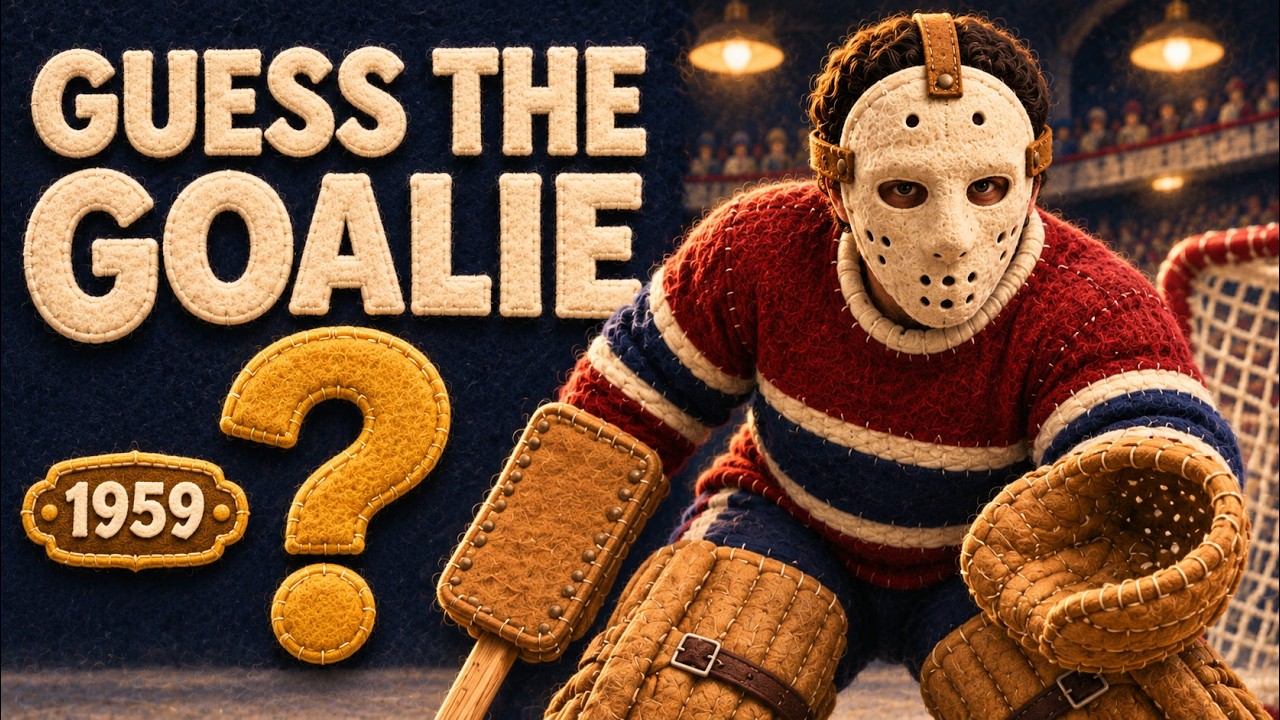
The video uses AI-generated felt-style scenes to introduce a complex history in an accessible format. Characters and settings are illustrative reconstructions, not archival images or verified portraits. Its compressed narration selects milestones; this companion article adds the distinctions between early influences, organized hockey, the Cup’s first award and the NHL’s inaugural season. Those distinctions let viewers enjoy the storytelling while learning what each historical date actually represents.
Sources and further reading
- Library and Archives Canada — Canada’s Royal Winter Game
- Windsor Hockey Heritage Society — “MicMac Hockey” Sticks
- IIHF — Sticks celebrate Indigenous art
- Quebec cultural heritage register — Première partie officielle de hockey sur glace
- IIHF — Timeline Epochs
- Hockey Hall of Fame — Stanley Cup History
- NHL Records — NHL History